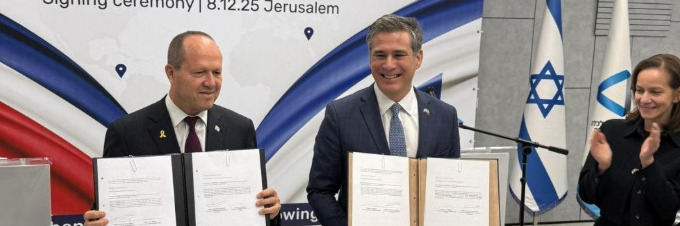
The Emerging Saudi-Turkey-Pakistan Security Axis and the Strategic Message for Israel: Riyadh Moves Forward Without Waiting for Jerusalem
By: Gaston Saidman
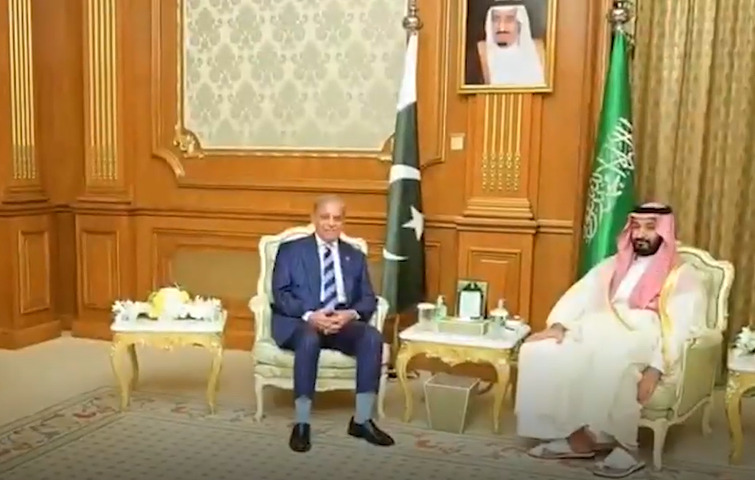
The signing of the Makkah Joint Defence Agreement between Saudi Arabia, Turkey, and Pakistan represents a significant geopolitical development that could reshape the security landscape of the Middle East. Beyond its military dimension, the agreement sends a clear political message: Saudi Arabia is expanding its strategic options and demonstrating that its regional future does not depend solely on establishing a partnership with Israel.
For years, Israel viewed potential normalization with Saudi Arabia as one of the most important geopolitical opportunities in the region. Bringing Riyadh into a broader framework of cooperation with Arab states would have strengthened Israel’s position and created a new regional alignment based on shared interests, particularly regarding security challenges and Iran’s influence.
However, while discussions between Israel and Saudi Arabia have continued intermittently, Riyadh has demonstrated that it has alternative paths. The emerging partnership with Turkey and Pakistan shows that Saudi Arabia is willing to build a more independent foreign and defense policy.
The message from Riyadh is increasingly clear: the Kingdom does not need to rely on Israel in order to strengthen its security position. It is developing its own network of strategic partnerships with countries that provide military capabilities, political influence, and regional depth.
Saudi Arabia’s Pursuit of Strategic Autonomy
The agreement brings together three countries with complementary strengths.
Saudi Arabia provides financial power, regional influence, and a strategic geographic position. Turkey contributes a growing defense industry, advanced military technology, and operational experience. Pakistan brings a large military force and a nuclear capability that makes it one of the most significant strategic actors in the wider region.

Fuente: Arabnews
Together, these elements create a framework that could provide Saudi Arabia with greater independence in shaping its security policy.
The agreement reflects a broader trend: Riyadh is no longer seeking security through a single external partnership. Instead, it is building a diversified network of relationships that allows it greater freedom of action.
Israel and the Lost Opportunity for a Historic Partnership
For Israel, this development represents a diplomatic warning. For years, Jerusalem believed that shared concerns over Iran, economic cooperation, and regional stability could eventually lead to a strategic partnership with Saudi Arabia. A normalization agreement with Riyadh would have been one of Israel’s greatest diplomatic achievements and could have transformed the regional balance. But the regional environment is changing.
While Israel waited for the right moment to advance relations with Saudi Arabia, Riyadh continued expanding its international partnerships, strengthening ties with Turkey, deepening relations with China, and increasing defense cooperation with other Muslim-majority powers.
This does not mean that Israel has ceased to be an important regional actor. Israel maintains significant military capabilities, technological advantages, and a strategic relationship with the United States.
However, the emerging reality demonstrates that Israel is no longer the only indispensable partner for countries seeking security and stability in the Middle East.

Fuente: Arabnews
A Strategic Message to Israeli Leadership
Saudi Crown Prince Mohammed bin Salman has made clear that any future relationship with Israel would require addressing key political issues, particularly regarding the Palestinian question and long-term regional guarantees.
The emergence of this new security axis strengthens Saudi Arabia’s negotiating position. Riyadh can continue expanding its influence and strengthening its security architecture without waiting for a normalization agreement with Israel.
From this perspective, Israel faces a strategic choice: adapt to the changing realities of the region or risk being left outside a new geopolitical framework in which Saudi Arabia is becoming an increasingly independent and influential player.
The Beginning of a New Regional Power Structure?
It would be premature to claim that this agreement represents an alliance created specifically against Israel. Saudi Arabia, Turkey, and Pakistan each have different strategic priorities and interests.
However, if this cooperation develops into a deeper military and political structure, and if additional Muslim-majority countries seek closer ties with this emerging framework, it could significantly alter the regional balance of power.
The greatest challenge for Israel may not necessarily be facing a new military alliance, but rather losing the opportunity to participate in the next phase of Middle Eastern geopolitics.
Conclusion: Saudi Arabia Is Moving Forward
The Makkah Joint Defence Agreement sends a powerful strategic message: Saudi Arabia is moving beyond the idea that its security depends on a single relationship or alliance.
Riyadh is building its own path, strengthening alternative partnerships, and increasing its ability to make independent strategic decisions.
For Israel, the message is clear: the window of opportunity for a strategic partnership with Saudi Arabia will not remain open indefinitely. If Jerusalem seeks a deeper relationship with Riyadh, it will have to recognize the new realities of the region and address the priorities set by Saudi leadership.
The future of the Middle East will not be determined only by those who already possess power, but also by those who are building new structures to exercise it.