Is Syria Moving Away from Iran? A Gesture That Could Redefine the Regional Chessboard
By Gastón Saidman
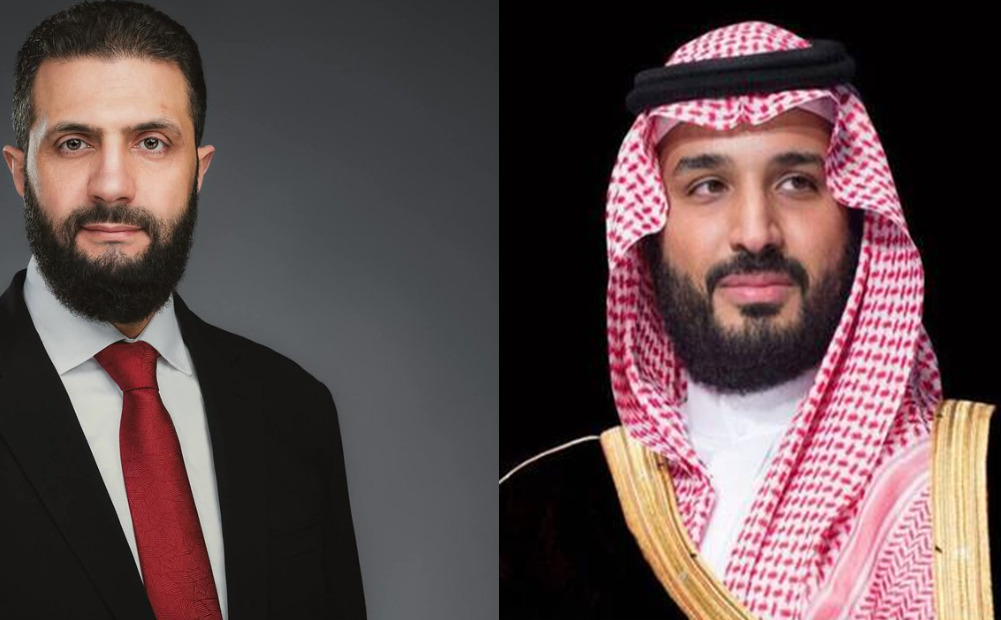
The recent conversation between Saudi Crown Prince Mohammed bin Salman and Syrian President Ahmed Al-Sharaa sent a diplomatic signal that could be more significant than it appears. Syria expressed support and solidarity with Saudi Arabia following the attacks attributed to Iran against the Kingdom.
This gesture is far from minor. For years, Syria has been one of Iran’s key regional allies. Since the outbreak of the Syrian civil war in 2011, Tehran has provided crucial political, financial, and military backing to Damascus. The alliance between the two countries has long been considered one of the pillars of the so called “resistance axis” in the Middle East.
That is why Damascus publicly expressing support for Saudi Arabia amid an escalation involving Iran raises unavoidable questions:
Is this a genuine strategic shift? Or is it simply a pragmatic move within a changing regional landscape?
A Diplomatic Turn or Strategic Calculation?
In recent years, the political map of the Middle East has experienced notable realignments. Saudi Arabia has advanced in processes of détente with former rivals and strengthened its role as a central actor in regional stability. For Syria—seeking economic reconstruction, regional reintegration, and relief from international isolation—moving closer to Riyadh may be strategic.
Damascus’ expressed support could be interpreted as:
- An attempt to balance its historical reliance on Iran.
- A signal of pragmatism in response to new regional dynamics.
- An effort to improve relations with Gulf countries.
However, this does not necessarily imply a break with Tehran. Rather, it may represent a diversification of alliances in a context where no actor wants to be isolated.
A Broader Message
Syria’s positioning also sends a broader message: regional stability may take precedence over old ideological loyalties. In a scenario of rising tension, no country wants to be caught in an escalation that could spread.
More than a rupture with Iran, what may be emerging is a new phase of pragmatic diplomacy in the Middle East, where alliances are no longer rigid but shaped by shifting strategic interests.