

WRTWERWERWEFSE
-

La Embajada Argentina en Israel Promueve el Emprendimiento Joven
La Embajada Argentina en Israel Promueve el Emprendimiento Joven El pasado 23 de octubre se realizó en la casa de Embajador de la Argentina en Israel el Sr. Mariano Caucino un evento de networking el cual fue organizado por Young Tel Aviv Profesionals, el grupo familiar empresarial Viña Memorias y nuestra Magazine Orientemedio.news El evento contó con la…
-
Israel ocupa el puesto 97 en representación femenina: solo 31 diputadas en el parlamento
Israel ocupa el puesto 97 en representación femenina: solo 31 diputadas en el parlamento Fuente: Knéset Israel En una sesión especial de la Comisión para la Promoción de la Condición de la Mujer y la Igualdad de Género, un investigador del Centro de Investigación e Información de la Knéset (Parlamento Israelí) presentó datos sobre la…
-
Monaco and Israel: A Relationship That Could Become a Model for 21st-Century Diplomacy
Monaco and Israel: A Relationship That Could Become a Model for 21st-Century Diplomacy “When two countries not only cooperate, but use their relationship to serve the wider world” By Gastón Saidman Relations between Monaco and Israel are strong and longstanding. Over the years, the two countries have developed diplomatic, institutional, and people-to-people ties. In 2018,…
-
The Emerging Saudi-Turkey-Pakistan Security Axis and the Strategic Message for Israel: Riyadh Moves Forward Without Waiting for Jerusalem
The Emerging Saudi-Turkey-Pakistan Security Axis and the Strategic Message for Israel: Riyadh Moves Forward Without Waiting for Jerusalem By: Gaston Saidman The signing of the Makkah Joint Defence Agreement between Saudi Arabia, Turkey, and Pakistan represents a significant geopolitical development that could reshape the security landscape of the Middle East. Beyond its military dimension, the…
Actividades Acuerdos de Abraham Análisis Economía Embajada de Argentina Embajada de Chipre Embajada de Costa Rica Embajada de España Embajada de Panamá Embajada de Perú English Irán Israel Jordania Líbano עברית
-
La Embajada Argentina en Israel Promueve el Emprendimiento Joven
La Embajada Argentina en Israel Promueve el Emprendimiento Joven El pasado 23 de octubre se realizó en la casa de Embajador de la Argentina en Israel el Sr. Mariano Caucino un evento de networking el cual fue organizado por Young Tel Aviv Profesionals, el grupo familiar empresarial Viña Memorias y nuestra Magazine Orientemedio.news El evento contó con la…
-
Israel ocupa el puesto 97 en representación femenina: solo 31 diputadas en el parlamento
Israel ocupa el puesto 97 en representación femenina: solo 31 diputadas en el parlamento Fuente: Knéset Israel En una sesión especial de la Comisión para la Promoción de la Condición de la Mujer y la Igualdad de Género, un investigador del Centro de Investigación e Información de la Knéset (Parlamento Israelí) presentó datos sobre la…
-
Monaco and Israel: A Relationship That Could Become a Model for 21st-Century Diplomacy
Monaco and Israel: A Relationship That Could Become a Model for 21st-Century Diplomacy “When two countries not only cooperate, but use their relationship to serve the wider world” By Gastón Saidman Relations between Monaco and Israel are strong and longstanding. Over the years, the two countries have developed diplomatic, institutional, and people-to-people ties. In 2018,…
-
The Emerging Saudi-Turkey-Pakistan Security Axis and the Strategic Message for Israel: Riyadh Moves Forward Without Waiting for Jerusalem
The Emerging Saudi-Turkey-Pakistan Security Axis and the Strategic Message for Israel: Riyadh Moves Forward Without Waiting for Jerusalem By: Gaston Saidman The signing of the Makkah Joint Defence Agreement between Saudi Arabia, Turkey, and Pakistan represents a significant geopolitical development that could reshape the security landscape of the Middle East. Beyond its military dimension, the…
-
Israel ocupa el puesto 97 en representación femenina: solo 31 diputadas en el parlamento
-
Monaco and Israel: A Relationship That Could Become a Model for 21st-Century Diplomacy
-
The Emerging Saudi-Turkey-Pakistan Security Axis and the Strategic Message for Israel: Riyadh Moves Forward Without Waiting for Jerusalem
-
El nuevo eje Arabia Saudita-Turquía-Pakistán y la señal estratégica para Israel: Riad avanza sin esperar a Jerusalén
- Israel ocupa el puesto 97 en representación femenina: solo 31 diputadas en el parlamento
Israel ocupa el puesto 97 en representación femenina: solo 31 diputadas en el parlamento
Fuente: Knéset Israel
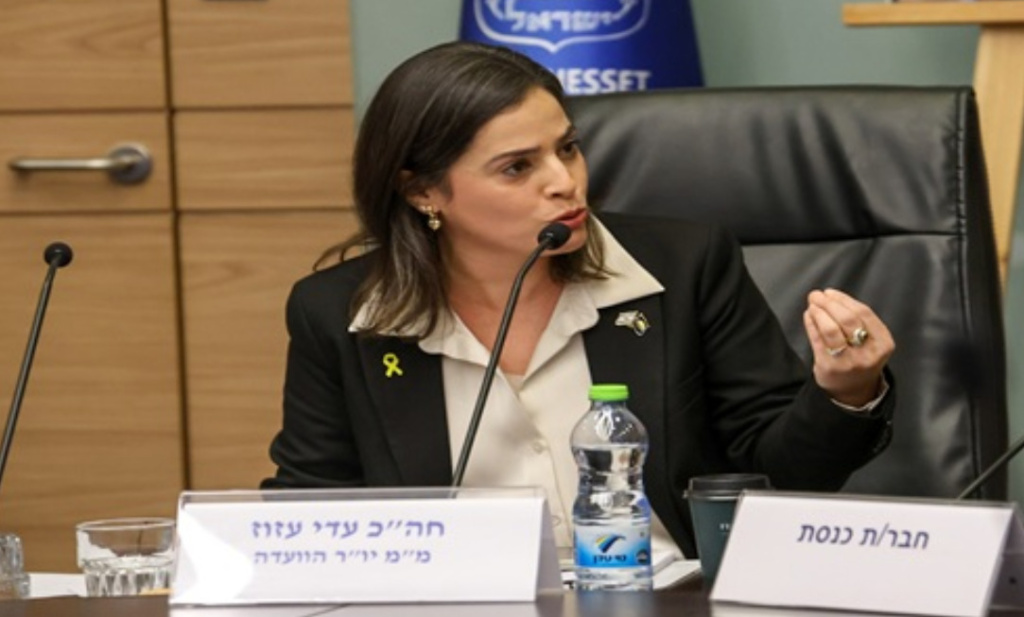
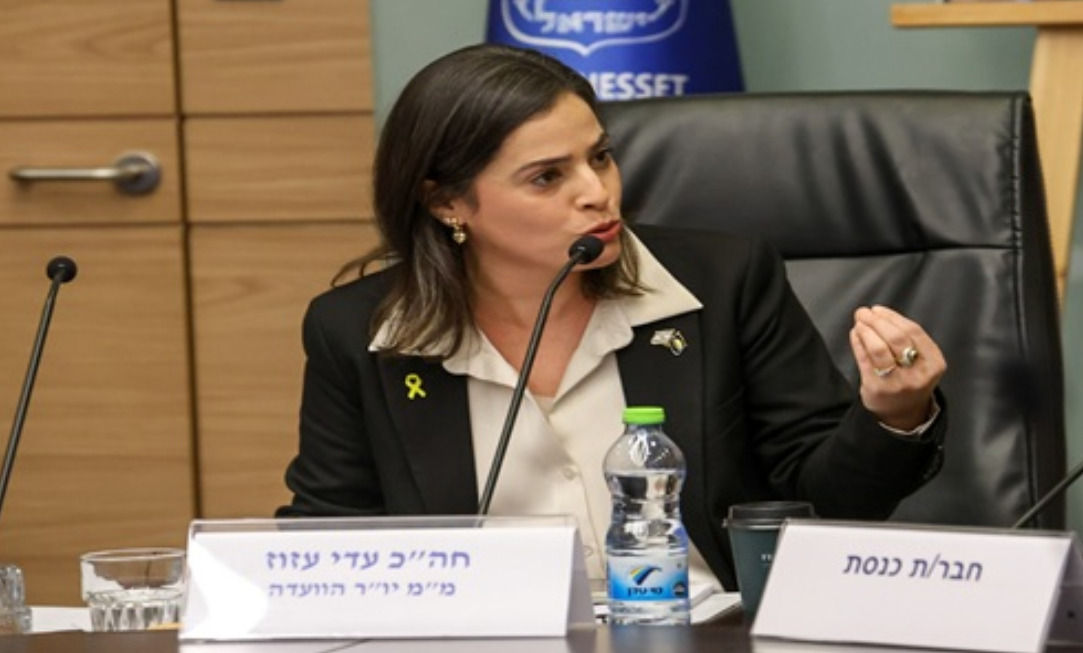
Diputada Adi Azuz
Fuente: Knéset IsraelEn una sesión especial de la Comisión para la Promoción de la Condición de la Mujer y la Igualdad de Género, un investigador del Centro de Investigación e Información de la Knéset (Parlamento Israelí) presentó datos sobre la proporción de mujeres en el Parlamento: 29 fueron elegidas y actualmente 31 ejercen como diputadas. La presidenta interina de la comisión, diputadas y representantes de organizaciones debatieron la necesidad de colocar a mujeres en puestos con posibilidades reales de ser elegidas y exigieron combatir la destrucción de imágenes de mujeres en el espacio público.
La Comisión para la Promoción de la Condición de la Mujer y la Igualdad de Género celebró el pasado miércoles una sesión sobre la representación de las mujeres y la prevención de su exclusión de cara a las elecciones para la 26.ª Knéset. Al comienzo de la reunión, Ido Avgar, jefe de equipo del Centro de Investigación e Información de la Knéset, presentó datos según los cuales en las elecciones para la actual Knéset fueron elegidas 29 mujeres, que representan el 24 % del total de miembros elegidos, y que actualmente ejercen 31 diputadas, equivalentes al 26 % del total de miembros de la Knéset. También se informó que Israel ocupa el puesto 97 entre 189 países y que el promedio mundial es del 27,5 %.
La presidenta interina de la comisión, la diputada Adi Azuz, declaró al comienzo de la sesión: «No estamos viviendo días normales y, la verdad, me alegra mucho que tengamos esta comisión hoy, porque me hace bien al corazón, me da tranquilidad y me da esperanza». Más adelante agregó: «No vamos a renunciar. No solo vamos a frenar [esta situación], sino que vamos a conseguir que la próxima Knéset tenga una mayoría femenina en los partidos liberales». La diputada Sharon Nir afirmó durante el debate: «Estamos viendo aquí una especie de gráfico que, en el mejor de los casos, está estancado y, en el peor de los casos, como ocurrió en la última Knéset, está retrocediendo».
Durante la sesión también se escucharon las posiciones de organizaciones de la sociedad civil. Yael Yahieli, fundadora de la iniciativa 50:50, afirmó que «no hay manera de llegar a un 50:50 si las listas no son listas alternadas [hombre-mujer]», y presentó datos de una encuesta realizada por la iniciativa, según los cuales «para las mujeres jóvenes esto es dos veces más importante que para todas las demás generaciones: que haya mujeres en los partidos».
Una representante de la Red de Mujeres de Israel, Racheli Songo, declaró durante el debate: «No estamos representadas. No lo suficiente en la Knéset, no lo suficiente en el Gobierno, no lo suficiente alrededor de las mesas donde se toman las decisiones, y tampoco existe entre las mujeres de Israel la sensación de que el sistema político realmente las ve. Las mujeres representan aproximadamente el 51 % de la población, pero no poseen el 51 % del poder, de los cargos de alto nivel ni de la influencia sobre las políticas que afectan sus vidas».
Durante el debate también se presentaron denuncias sobre la destrucción o vandalización de imágenes de mujeres en el espacio público durante los períodos electorales. Representantes de distintas organizaciones mostraron documentación de casos de este tipo, mientras que una representante de la Policía de Israel señaló que actualmente no es posible desglosar los datos según el género.
Al concluir la sesión, la comisión instó a los líderes de los partidos a promover la representación de las mujeres, «ya sea mediante listas alternadas o por otros medios», y solicitó recibir datos detallados sobre los expedientes abiertos por la destrucción o vandalización de carteles e imágenes de mujeres.
- Monaco and Israel: A Relationship That Could Become a Model for 21st-Century Diplomacy
Monaco and Israel: A Relationship That Could Become a Model for 21st-Century Diplomacy
“When two countries not only cooperate, but use their relationship to serve the wider world”
By Gastón Saidman
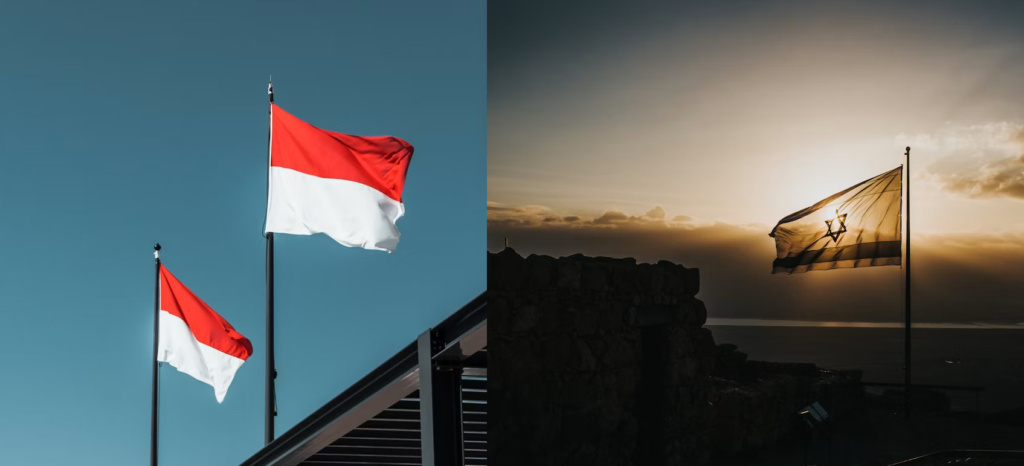
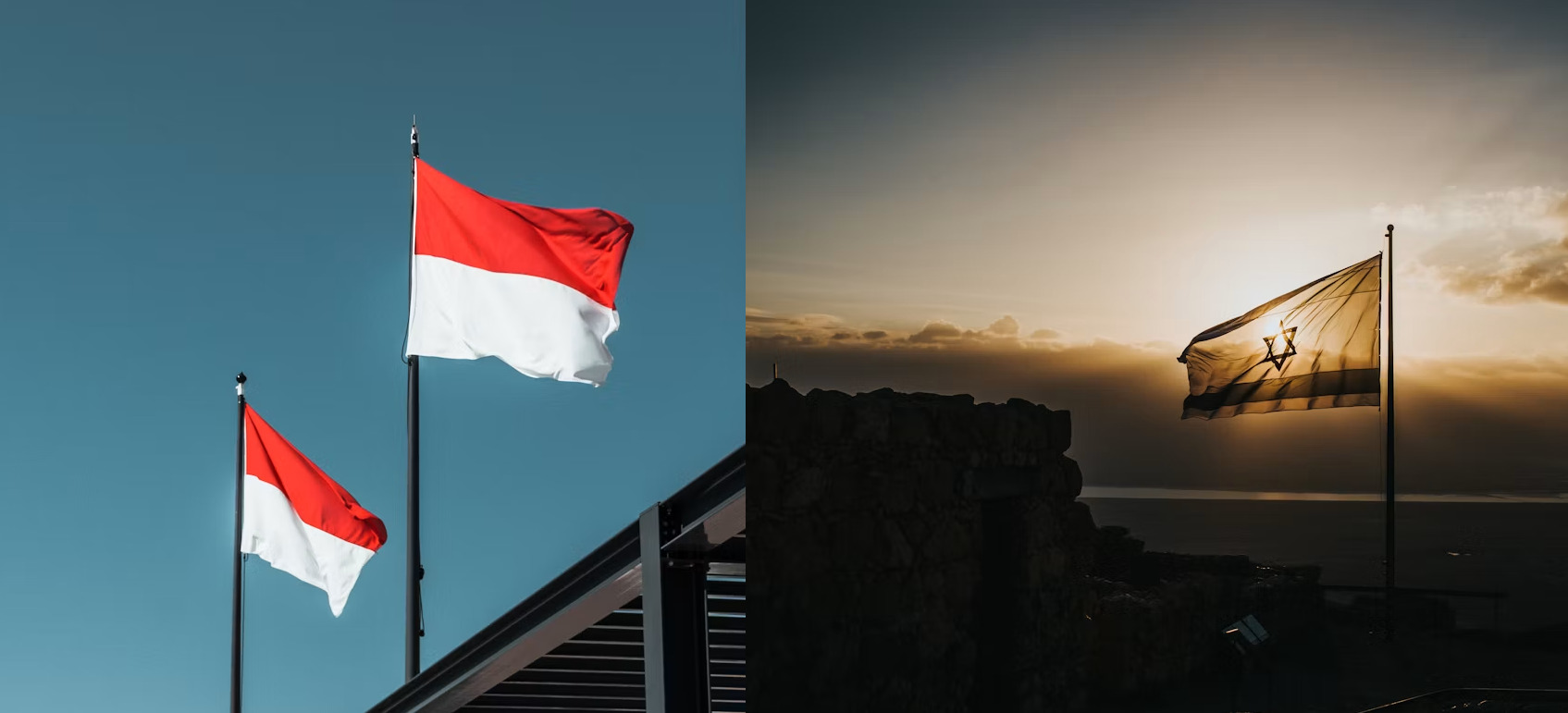
Relations between Monaco and Israel are strong and longstanding. Over the years, the two countries have developed diplomatic, institutional, and people-to-people ties. In 2018, Monaco Friends of Israel was officially established with the aim of strengthening exchanges between the two countries. The following year, Monaco formally authorized Israel’s Honorary Consul to carry out his functions in the Principality.
That same year, His Serene Highness Prince Albert II visited Tel Aviv, where he received an honorary doctorate from Tel Aviv University. During that visit, he also spoke of a shared responsibility toward nature, future generations, and our planet.
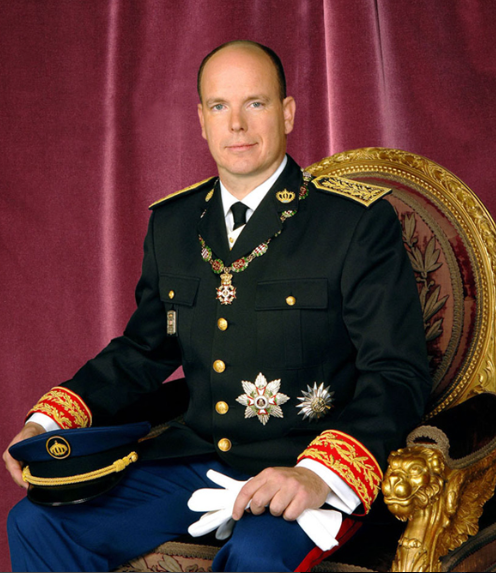
Albert II, Prince of Monaco
Fuente: Palais Princier de MonacoThe relationship is already well established. But perhaps the time has come to ask a different question:
What if it could become much more?
Monaco could turn its relationship with Israel into a model for 21st-century diplomacy
Not a military alliance. Not a conventional economic partnership. And not simply a political statement. Rather, a partnership built around knowledge, innovation, science, humanity, and the protection of our planet.
Monaco and Israel possess very different strengths and precisely because of that, they may be remarkably complementary.
Israel has developed internationally recognized expertise in areas such as water, agriculture, medicine, technology, and innovation.
Monaco, meanwhile, has built a distinctive international identity around ocean protection, biodiversity, environmental stewardship, philanthropy, and international cooperation.
The question should not simply be what Monaco can gain from Israel, or what Israel can gain from Monaco.
The more important question is:
What could they achieve together that neither could achieve in quite the same way alone?
From the Mediterranean to the World
The Mediterranean could become the natural laboratory for this new form of cooperation.
Water scarcity, climate change, marine pollution, biodiversity loss, food security, energy, and public health are challenges that do not stop at national borders. Monaco could contribute its ability to convene, its environmental expertise, its scientific and philanthropic networks, and its international reach.
Israel could contribute technology, research, innovation, and practical experience.
Universities, scientists, companies, foundations, and humanitarian organizations could bring these strengths together and turn them into concrete projects. The goal would not simply be to exchange knowledge, but to turn knowledge into measurable impact.
A water technology could help a Mediterranean region facing scarcity. A marine innovation could contribute to the protection of vulnerable ecosystems. A medical partnership could improve lives. Research carried out jointly by scientists from both countries could ultimately benefit communities far beyond their borders.
At that point, the relationship would no longer be exclusively bilateral.
It would become a platform for international service.
The Power of a Small State
Monaco does not need to be large to have influence. In some respects, its size can be an advantage.
It can convene. It can connect. It can create spaces for dialogue. It can bring scientists, entrepreneurs, philanthropists, universities, and public officials to the same table without seeking to compete with the great powers. Its role can be different.
Monaco can be a bridge
A bridge between innovation and humanity. Between technology and real-world needs. Between those who have solutions and those who need them.
That could represent a particularly powerful form of modern diplomacy.
Beyond Politics
A deeper relationship with Israel would not mean that Monaco must become an advocate for every position taken by the Israeli government.
On the contrary, Monaco’s strength could lie precisely in maintaining a broader perspective: promoting dialogue, peace, cooperation, human dignity, and assistance to populations affected by conflict.
Monaco could demonstrate that it is possible to maintain a close relationship with Israel while also using that relationship to build bridges. Because the diplomacy of the future should not be limited to choosing sides.
It should also be about creating solutions.
A Common Mission
One can imagine a permanent Monaco–Israel platform focused on five major areas: water, oceans, medicine, sustainable innovation, and humanitarian action.
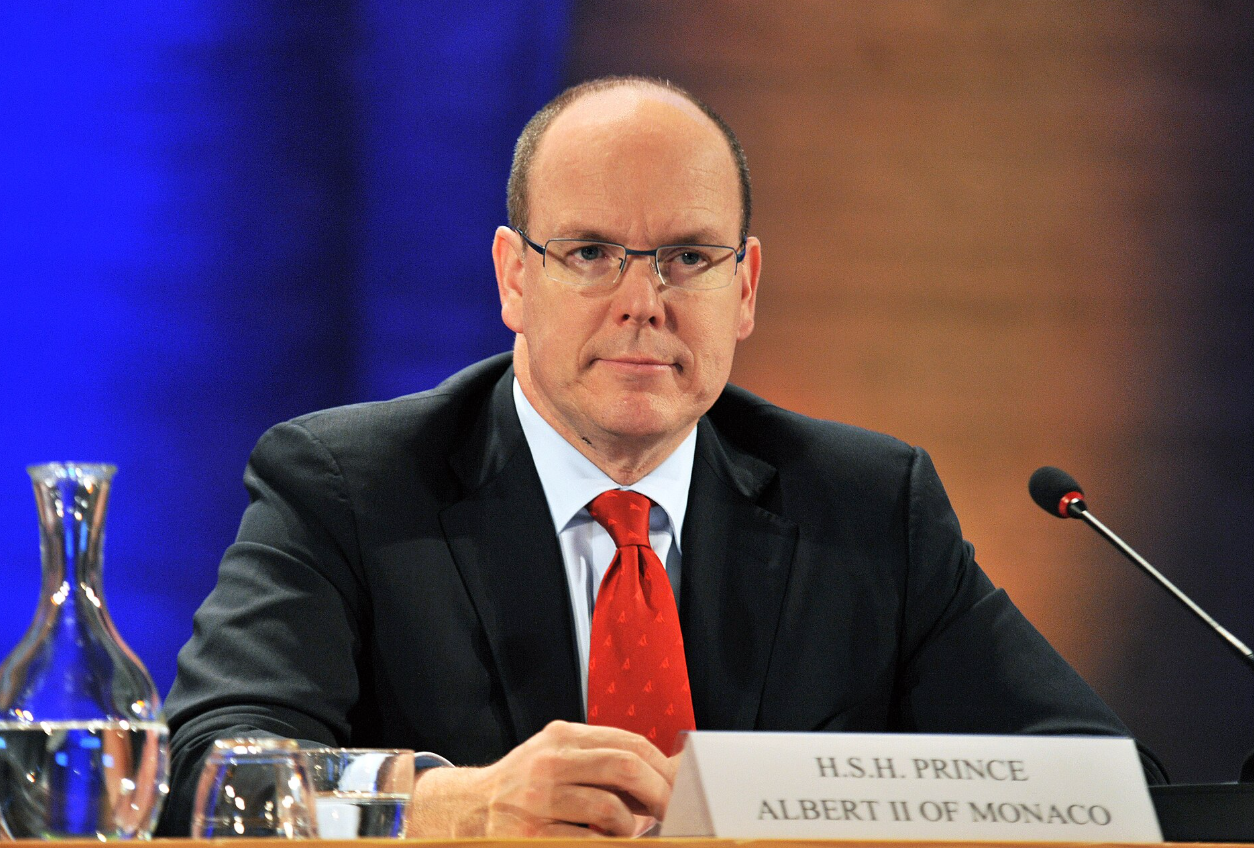
Albert at the 5th Global Conference on Oceans, Coasts and Islands at UNESCO Paris, 2010
(Wikipedia)But the purpose should not be to create another institution for its own sake. The purpose should be to deliver results.
Every project should be able to answer one simple question:
Who will this help?
If the answer is a community, an ecosystem, a hospital, a researcher, a young entrepreneur, or even an entire country, then cooperation takes on a different meaning.
Monaco and Israel already have a relationship. The contacts exist. The goodwill exists.
What may be missing is a vision ambitious enough to connect everything that is already there. That vision could become one of the most compelling legacies of this relationship.
Not to make Monaco simply another ally of Israel, nor Israel simply another partner of Monaco, but to make both countries partners in a mission that transcends them both.
Because the true measure of a relationship between two states should not be only how much they receive from one another.
It should also be:
How much can they give together to the rest of the world?
Monaco and Israel already have a relationship. The next step could be to give it a mission.
- The Emerging Saudi-Turkey-Pakistan Security Axis and the Strategic Message for Israel: Riyadh Moves Forward Without Waiting for Jerusalem
The Emerging Saudi-Turkey-Pakistan Security Axis and the Strategic Message for Israel: Riyadh Moves Forward Without Waiting for Jerusalem
By: Gaston Saidman
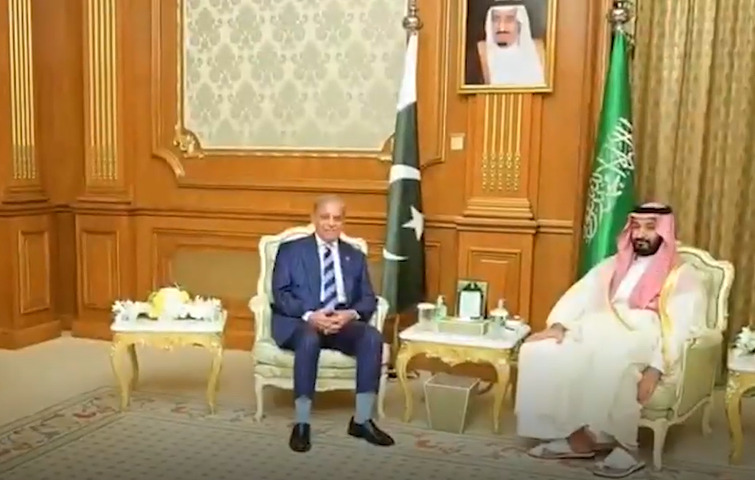
Fuente: Arabnews The signing of the Makkah Joint Defence Agreement between Saudi Arabia, Turkey, and Pakistan represents a significant geopolitical development that could reshape the security landscape of the Middle East. Beyond its military dimension, the agreement sends a clear political message: Saudi Arabia is expanding its strategic options and demonstrating that its regional future does not depend solely on establishing a partnership with Israel.
For years, Israel viewed potential normalization with Saudi Arabia as one of the most important geopolitical opportunities in the region. Bringing Riyadh into a broader framework of cooperation with Arab states would have strengthened Israel’s position and created a new regional alignment based on shared interests, particularly regarding security challenges and Iran’s influence.
However, while discussions between Israel and Saudi Arabia have continued intermittently, Riyadh has demonstrated that it has alternative paths. The emerging partnership with Turkey and Pakistan shows that Saudi Arabia is willing to build a more independent foreign and defense policy.
The message from Riyadh is increasingly clear: the Kingdom does not need to rely on Israel in order to strengthen its security position. It is developing its own network of strategic partnerships with countries that provide military capabilities, political influence, and regional depth.
Saudi Arabia’s Pursuit of Strategic Autonomy
The agreement brings together three countries with complementary strengths.
Saudi Arabia provides financial power, regional influence, and a strategic geographic position. Turkey contributes a growing defense industry, advanced military technology, and operational experience. Pakistan brings a large military force and a nuclear capability that makes it one of the most significant strategic actors in the wider region.
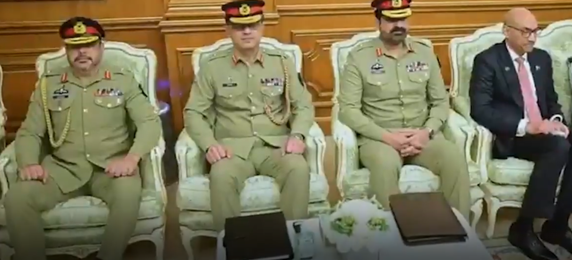
Fuente: ArabnewsTogether, these elements create a framework that could provide Saudi Arabia with greater independence in shaping its security policy.
The agreement reflects a broader trend: Riyadh is no longer seeking security through a single external partnership. Instead, it is building a diversified network of relationships that allows it greater freedom of action.
Israel and the Lost Opportunity for a Historic Partnership
For Israel, this development represents a diplomatic warning. For years, Jerusalem believed that shared concerns over Iran, economic cooperation, and regional stability could eventually lead to a strategic partnership with Saudi Arabia. A normalization agreement with Riyadh would have been one of Israel’s greatest diplomatic achievements and could have transformed the regional balance. But the regional environment is changing.
While Israel waited for the right moment to advance relations with Saudi Arabia, Riyadh continued expanding its international partnerships, strengthening ties with Turkey, deepening relations with China, and increasing defense cooperation with other Muslim-majority powers.
This does not mean that Israel has ceased to be an important regional actor. Israel maintains significant military capabilities, technological advantages, and a strategic relationship with the United States.
However, the emerging reality demonstrates that Israel is no longer the only indispensable partner for countries seeking security and stability in the Middle East.
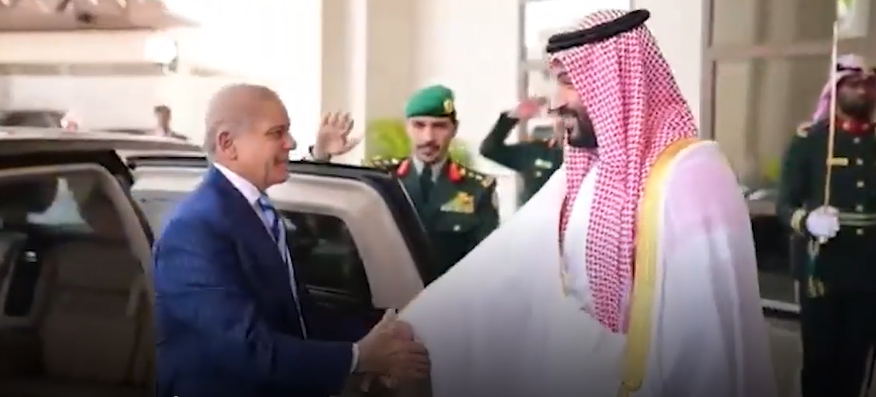
Fuente: ArabnewsA Strategic Message to Israeli Leadership
Saudi Crown Prince Mohammed bin Salman has made clear that any future relationship with Israel would require addressing key political issues, particularly regarding the Palestinian question and long-term regional guarantees.
The emergence of this new security axis strengthens Saudi Arabia’s negotiating position. Riyadh can continue expanding its influence and strengthening its security architecture without waiting for a normalization agreement with Israel.
From this perspective, Israel faces a strategic choice: adapt to the changing realities of the region or risk being left outside a new geopolitical framework in which Saudi Arabia is becoming an increasingly independent and influential player.
The Beginning of a New Regional Power Structure?
It would be premature to claim that this agreement represents an alliance created specifically against Israel. Saudi Arabia, Turkey, and Pakistan each have different strategic priorities and interests.
However, if this cooperation develops into a deeper military and political structure, and if additional Muslim-majority countries seek closer ties with this emerging framework, it could significantly alter the regional balance of power.
The greatest challenge for Israel may not necessarily be facing a new military alliance, but rather losing the opportunity to participate in the next phase of Middle Eastern geopolitics.
Conclusion: Saudi Arabia Is Moving Forward
The Makkah Joint Defence Agreement sends a powerful strategic message: Saudi Arabia is moving beyond the idea that its security depends on a single relationship or alliance.
Riyadh is building its own path, strengthening alternative partnerships, and increasing its ability to make independent strategic decisions.
For Israel, the message is clear: the window of opportunity for a strategic partnership with Saudi Arabia will not remain open indefinitely. If Jerusalem seeks a deeper relationship with Riyadh, it will have to recognize the new realities of the region and address the priorities set by Saudi leadership.
The future of the Middle East will not be determined only by those who already possess power, but also by those who are building new structures to exercise it.
- El nuevo eje Arabia Saudita-Turquía-Pakistán y la señal estratégica para Israel: Riad avanza sin esperar a Jerusalén
El nuevo eje Arabia Saudita-Turquía-Pakistán y la señal estratégica para Israel: Riad avanza sin esperar a Jerusalén
Por: Gastón Saidman
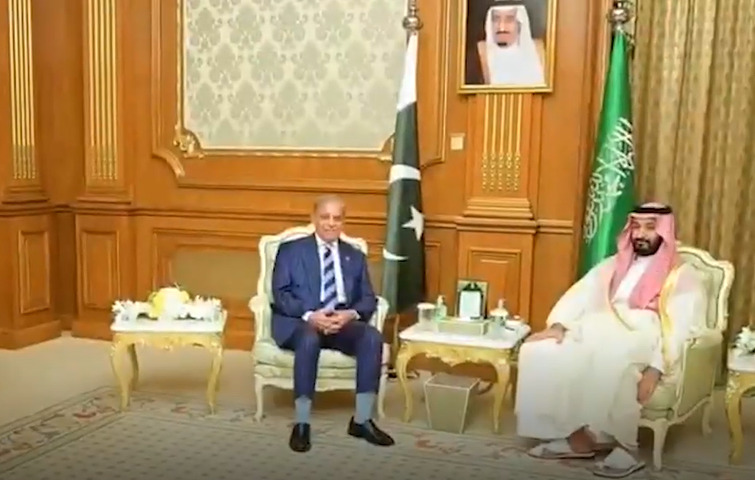
Fuente: Arabnews La firma del Acuerdo de Defensa Conjunta de La Meca entre Arabia Saudita, Turquía y Pakistán representa un movimiento geopolítico que puede marcar un antes y un después en la arquitectura de seguridad de Oriente Medio. Más allá del contenido militar del pacto, el mensaje político es claro: Arabia Saudita está construyendo nuevas alianzas y demostrando que su futuro estratégico no depende exclusivamente de una aproximación con Israel.
Durante los últimos años, Israel había considerado que una eventual normalización con Arabia Saudita sería uno de los grandes cambios geopolíticos de la región. La incorporación de Riad a los acuerdos de cooperación con países árabes habría otorgado a Israel una posición privilegiada dentro de un nuevo orden regional. Sin embargo, mientras las conversaciones avanzaban y retrocedían, Arabia Saudita comenzó a mostrar que tenía otras alternativas.
El nuevo eje con Turquía y Pakistán evidencia que el Reino está dispuesto a desarrollar una política exterior más independiente. Riad no está esperando una alianza con Israel para fortalecer su seguridad; está creando sus propios mecanismos de defensa mediante socios que aportan capacidades militares, influencia política y profundidad estratégica.
Arabia Saudita busca autonomía estratégica
El acuerdo une tres países con características complementarias. Arabia Saudita aporta recursos económicos, influencia regional y una posición estratégica clave. Turquía aporta una industria militar en expansión, experiencia operativa y capacidad tecnológica. Pakistán aporta una fuerza militar numerosa y una capacidad nuclear que lo convierte en un actor estratégico global.
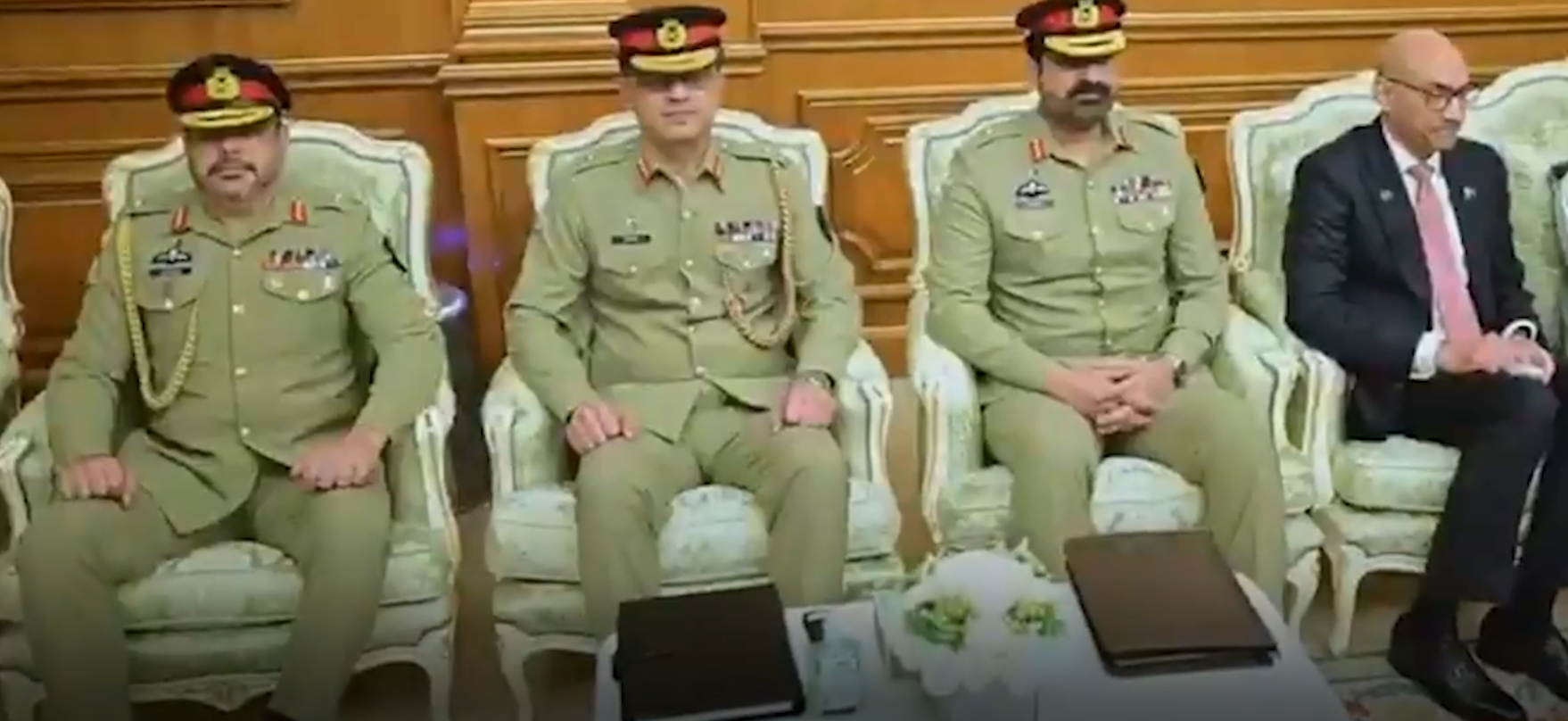
Fuente: ArabnewsLa combinación de estos elementos crea una plataforma de poder que puede darle a Arabia Saudita mayor margen de maniobra frente a cualquier actor regional.
El mensaje de Riad parece ser que el Reino no necesita integrarse a un sistema de seguridad liderado por otros actores para garantizar su protección. Puede construir su propio espacio estratégico.Israel pierde una oportunidad de acercamiento
Para Israel, este movimiento representa una advertencia diplomática. Durante años, Jerusalén apostó a que la convergencia de intereses frente a Irán y la cooperación económica llevarían a una alianza más profunda con Arabia Saudita. Pero la realidad regional está cambiando.
Mientras Israel esperaba una oportunidad histórica de acercamiento, Arabia Saudita avanzó en otra dirección: fortaleciendo vínculos con Turquía, profundizando relaciones con China y ampliando su red de cooperación militar.
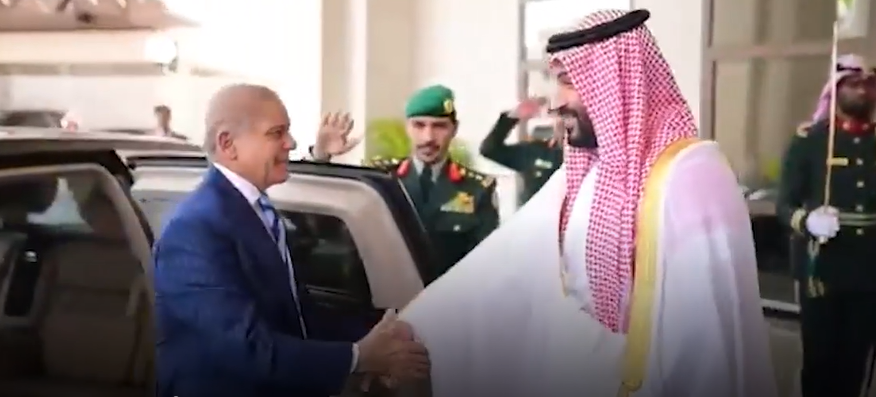
Fuente: ArabnewsEsto no significa que Israel deje de ser un actor importante en Oriente Medio. Israel mantiene capacidades militares avanzadas, una relación estratégica con Estados Unidos y una posición tecnológica destacada. Sin embargo, el nuevo escenario muestra que ya no es el único socio indispensable para los países que buscan estabilidad y seguridad.
El mensaje para el liderazgo israelí
El príncipe heredero Mohammed bin Salman ha establecido condiciones claras para una eventual relación con Israel, especialmente relacionadas con la cuestión palestina y con garantías políticas de largo plazo.
El surgimiento de este nuevo eje refuerza la posición negociadora saudita: Riad puede continuar avanzando regionalmente sin necesidad de esperar una normalización con Israel. Desde esta perspectiva, Israel enfrenta una decisión estratégica: adaptarse a las nuevas demandas regionales o arriesgarse a quedar fuera de una transformación geopolítica en la que Arabia Saudita está adquiriendo mayor autonomía.
¿El inicio de un bloque contra Israel?
Sería prematuro afirmar que el acuerdo constituye una alianza diseñada específicamente contra Israel. Los intereses de Arabia Saudita, Turquía y Pakistán son amplios y no se limitan a un solo adversario. Sin embargo, si esta cooperación militar se profundiza y otros países musulmanes buscan acercarse al nuevo eje, podría surgir una estructura regional capaz de modificar el equilibrio de poder.
El mayor riesgo para Israel no es necesariamente enfrentar una nueva alianza militar, sino perder la oportunidad de formar parte del nuevo orden regional que está emergiendo.
Conclusión: Arabia Saudita ya no espera
El Acuerdo de La Meca transmite una señal política poderosa: Arabia Saudita está dejando atrás la idea de que su seguridad depende de una sola relación estratégica.
Riad está construyendo su propio camino, fortaleciendo alianzas alternativas y aumentando su capacidad de decisión.Para Israel, el mensaje es que la ventana de oportunidad no permanecerá abierta indefinidamente. Si Jerusalén desea una relación estratégica con Arabia Saudita, tendrá que considerar las nuevas realidades regionales y las prioridades que el liderazgo saudita ha colocado sobre la mesa.
El futuro de Oriente Medio no será definido únicamente por quienes ya tienen poder, sino también por quienes están creando nuevas estructuras para ejercerlo.
- El Parlamento iraní rechaza la iniciativa británica contra la Guardia Revolucionaria y advierte sobre sus consecuencias regionales
El Parlamento iraní rechaza la iniciativa británica contra la Guardia Revolucionaria y advierte sobre sus consecuencias regionales
Por: Gastón Saidman

El Parlamento y las instituciones iraníes reaccionaron con firmeza ante la decisión del Parlamento británico de impulsar la designación del Cuerpo de la Guardia Revolucionaria Islámica (IRGC, por sus siglas en inglés) como organización terrorista. Desde Teherán, la medida fue calificada como una acción política que, según las autoridades iraníes, incrementa las tensiones entre Irán y Occidente y podría afectar el equilibrio regional.
En un comunicado, el Ejército iraní expresó su respaldo a la Guardia Revolucionaria y sostuvo que esta fuerza ha desempeñado un papel central en la lucha contra grupos extremistas en Asia Occidental. Asimismo, defendió que el IRGC no solo cumple funciones militares, sino que también desarrolla actividades sociales y culturales dentro del país.
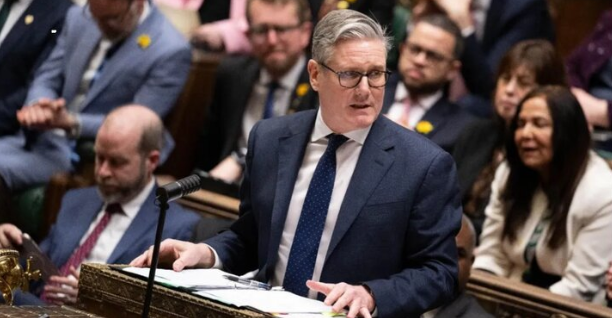
La respuesta iraní también incluyó fuertes críticas al Reino Unido y a sus aliados occidentales. Las autoridades acusaron a Londres de mantener una política de confrontación hacia Irán y señalaron a Estados Unidos e Israel como responsables de alimentar la inestabilidad en la región. En ese contexto, reafirmaron la unidad entre el Ejército regular y la Guardia Revolucionaria bajo el liderazgo del ayatolá Ali Jamenei.
Desde el punto de vista de la política regional, la controversia podría tener varias implicancias. En primer lugar, refuerza el discurso de cohesión interna en Irán, donde las instituciones estatales buscan presentar un frente unido frente a la presión internacional. En segundo lugar, aumenta las dificultades para cualquier intento de acercamiento diplomático entre Teherán y las capitales europeas, en un momento marcado por las tensiones en Medio Oriente.
Además, una eventual designación formal del IRGC como organización terrorista por parte del Reino Unido podría complicar aún más las relaciones con actores regionales vinculados a Irán y endurecer el clima de seguridad en una zona donde la Guardia Revolucionaria mantiene influencia a través de aliados y grupos afines.
La reacción de Teherán refleja que las decisiones adoptadas por parlamentos occidentales trascienden el plano bilateral y son interpretadas por las autoridades iraníes como parte de una estrategia de presión más amplia. En consecuencia, este tipo de medidas podría contribuir a una mayor polarización regional y reducir los márgenes para el diálogo en uno de los escenarios geopolíticos más sensibles del mundo.